
Insights
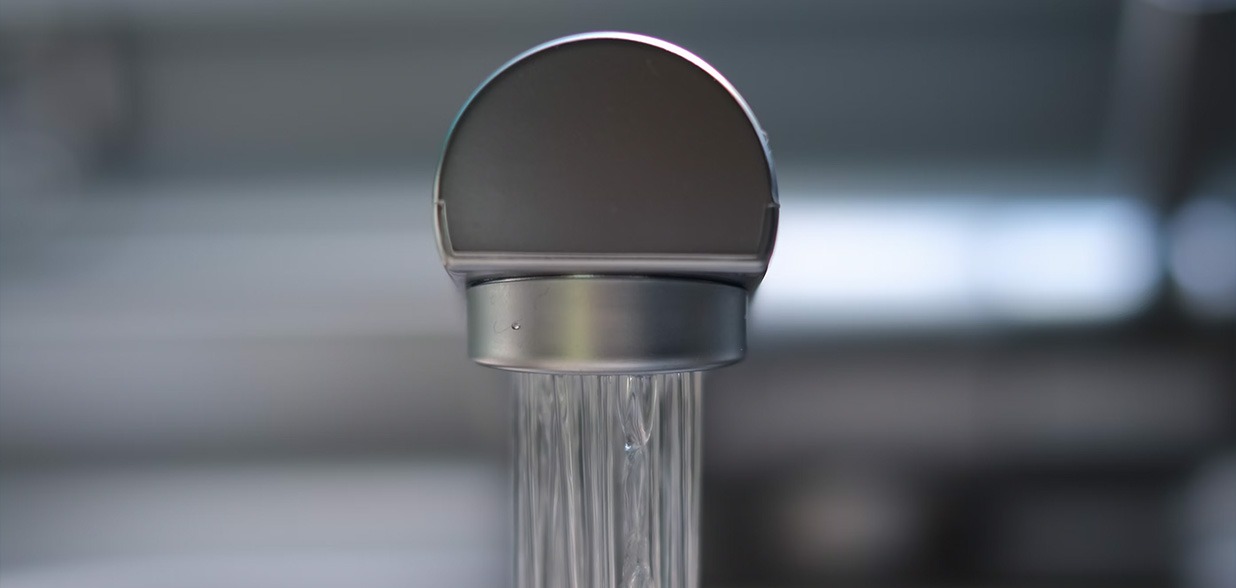
Low water pressure can be a frustrating problem, whether it’s a trickle in the shower or slow-filling sinks and toilets. It’s more than just an inconvenience—it can signal underlying plumbing issues that need attention.
In this article, we’ll explore the common causes of low water pressure and practical solutions to restore proper flow to your home or business.
Common Causes of Low Water Pressure
1. Clogged Pipes
Over time, mineral deposits, debris, or rust can accumulate inside pipes, restricting water flow.
Solution: Regular pipe maintenance and cleaning can prevent clogs. In extreme cases, pipe replacement may be necessary.
2. Faulty Pressure Regulator
A pressure regulator controls the water pressure entering your home. If it malfunctions, you may experience low or inconsistent pressure.
Solution: Have a professional inspect and replace the regulator if needed.
3. Leaks in the Plumbing System
Leaks reduce water pressure and waste water. Even a small leak can affect your water supply.
Solution: Check for visible leaks or damp spots. If you suspect a hidden leak, call a plumber for a detailed inspection.
4. Municipal Water Supply Issues
Sometimes, the problem lies with the local water supply. Maintenance work or high demand can cause temporary pressure drops.
Solution: Contact your local water provider to confirm if there’s an issue on their end.
5. Old or Corroded Pipes
Aging pipes, especially galvanized steel ones, are prone to corrosion, reducing water flow.
Solution: Upgrading to modern materials like copper or PEX piping can improve water pressure and reduce future issues.
How to Improve Water Pressure
Clean Faucet Aerators: Mineral buildup can clog faucet aerators and showerheads. Clean or replace them regularly.
Install a Pressure Booster: For homes with consistently low municipal pressure, a booster pump can help increase water flow.
Maintain Your Plumbing System: Regular inspections and maintenance can catch problems early and keep your system running smoothly.
When to Call a Professional
If you’ve tried the basic fixes and still experience low water pressure, it’s time to call a plumbing expert. Persistent pressure issues could indicate serious problems like hidden leaks or failing pipes that need professional attention.
Conclusion
Low water pressure isn’t something you have to live with. Identifying the cause and taking the right steps can restore normal water flow and ensure your plumbing system operates efficiently.