

Insights

Blogs
Fire Safety 101: How to Stay Safe and Evacuate a Building During a Fire
Posted on: February 13, 2025
A fire can escalate within minutes, turning a small spark into a life-threatening emergency. Knowing how to respond quickly and safely is crucial to protect yourself and others. In this guide, we’ll cover essential fire safety tips and how to evacuate a building safely during a fire incident.
Fire Safety Basics
1. Know Your Emergency Exits
Familiarize yourself with all available exits in your home, workplace, or public buildings. Never rely on a single exit.
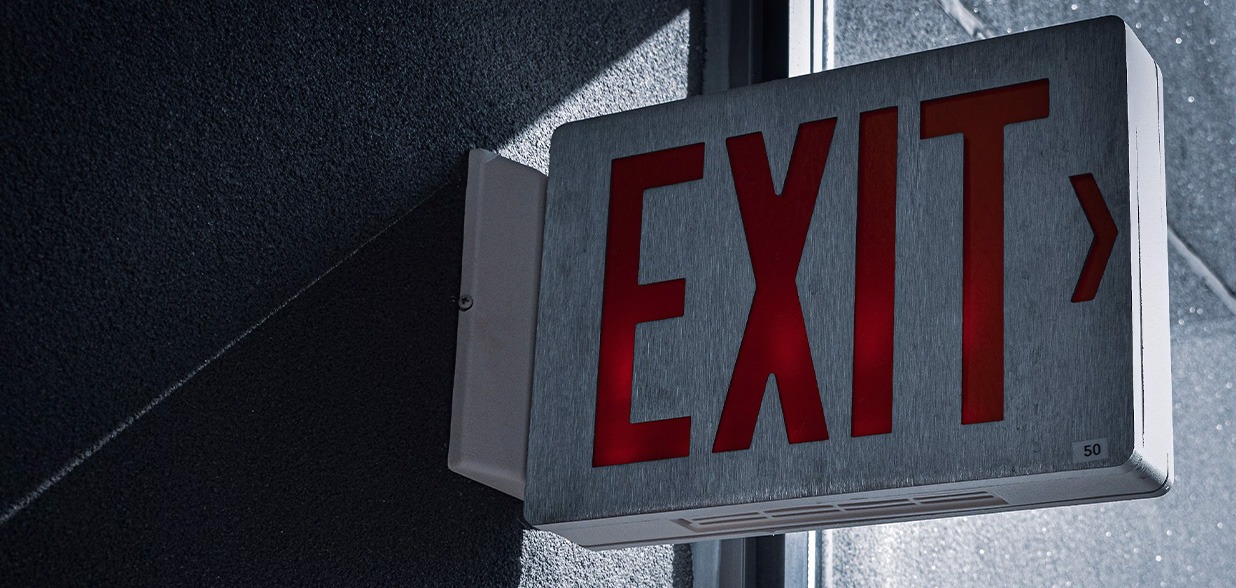
Tip: Check for illuminated exit signs and emergency escape plans posted in buildings.
2. Install and Maintain Smoke Alarms
Smoke alarms provide an early warning, giving you crucial extra time to evacuate.
Tip: Test smoke alarms monthly and replace their batteries at least once a year.
3. Keep Hallways and Exits Clear
Obstructed hallways and exits can slow evacuation and increase the risk of injury.
Tip: Regularly check that fire doors, stairwells, and escape routes are free from clutter.
4. Have a Fire Escape Plan
A well-rehearsed plan ensures everyone knows how to evacuate quickly and safely.
Tip: Practice fire drills at least twice a year and involve all family members or staff.
How to Evacuate a Building During a Fire Incident
- Stay Calm and Act Quickly: Don’t waste time gathering personal items. Focus on getting out safely.
- Check Doors for Heat: Before opening any door, use the back of your hand to check if it’s warm. A hot door indicates a fire on the other side.
- Stay Low to Avoid Smoke: Smoke and toxic gases rise. Crawling on the floor helps you avoid inhaling dangerous fumes.
- Follow the Exit Plan: Use designated escape routes and avoid elevators during a fire. Stick to the stairs.
- Assist Others if Possible: Help children, the elderly, or anyone with mobility issues evacuate if it’s safe to do so.
- Call Emergency Services: Once you’re safe outside, call the fire department and provide details about the incident.
- Never Go Back Inside: No matter what, do not re-enter the building for personal belongings or pets. Wait for emergency responders to declare it safe.
Conclusion
Preparation and quick thinking are your best defenses during a fire. Knowing how to respond and evacuate can save lives.